
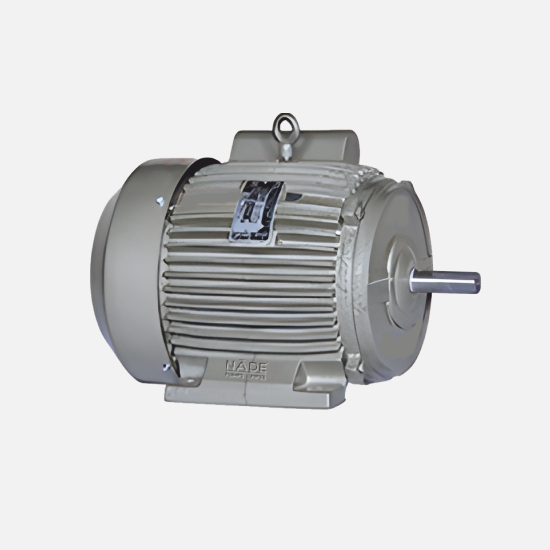
Description
How do single-phase and three-phase electric motors work in powering industrial equipment?
Single-Phase Motors for Light-Duty Applications: Single-phase electric motors are typically used in residential and light commercial applications, where the power demand is relatively low. These motors are ideal for smaller machines and appliances, offering reliable performance in applications like fans, pumps, and small appliances.
Three-Phase Motors for High-Power Requirements: Three-phase electric motors are designed to handle higher power loads and are ideal for industrial settings. With three-phase power, these motors operate more efficiently and can run larger equipment such as compressors, conveyor belts, and heavy machinery without strain or power loss.
Efficiency and Power Distribution: While single-phase motors are suitable for low-power applications, three-phase motors are far more efficient and distribute electrical power evenly across all phases, which results in smoother, more reliable performance. This makes them ideal for heavy-duty industrial operations where continuous, high-performance operation is essential.
What are the key differences and advantages of using single-phase and three-phase electric motors?
Power and Load Handling: Single-phase motors are designed for lighter, less demanding applications, typically providing power for smaller machines. In contrast, three-phase motors are suited for heavy-duty machinery that requires a constant, high-power supply, such as large industrial equipment and motors running continuous production lines.
Energy Efficiency: Three-phase motors are more energy-efficient than single-phase motors because they provide a more consistent power supply, resulting in less power loss and lower operational costs over time. This makes three-phase motors the preferred option in industrial environments where energy efficiency is a priority.
Cost-Effectiveness and Durability: While single-phase motors may be less expensive to purchase initially, three-phase motors offer long-term cost savings due to their lower energy consumption and greater durability. For applications requiring long hours of continuous use, three-phase motors provide a more cost-effective and reliable solution.


There are no reviews yet.